From Bach to Berio
Stark, Bhriain

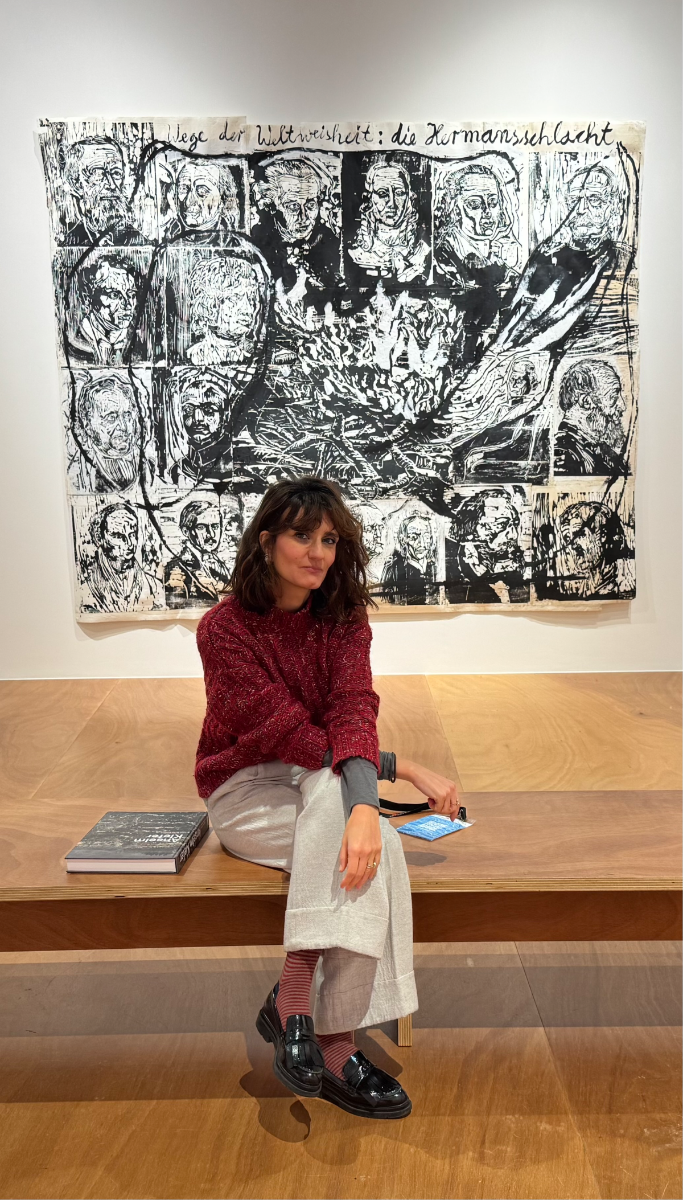
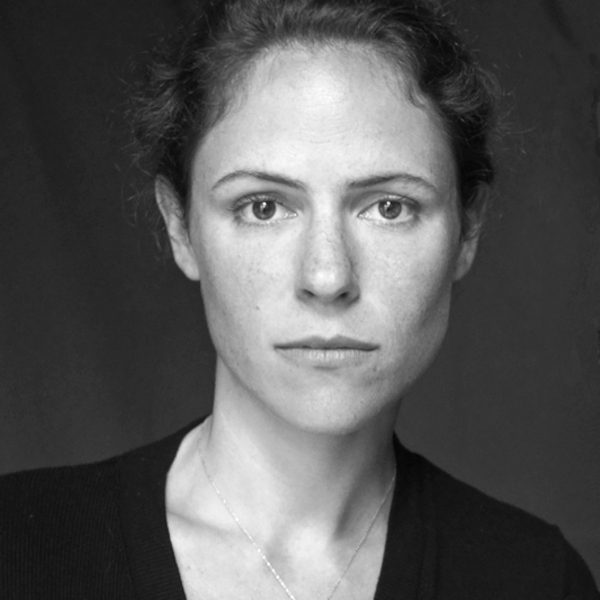
Nurit Stark, violin
Aoife Ní Bhriain, violin
J. S. Bach (1685-1750)
Aria from the Goldberg Variations, BWV 988
L. Berio (1925-2003)
Selection from the 34 Duets for Two Violins
B. Bartók (1881-1945)
Selection from the 44 Duets for Two Violins, Sz. 98
G. Ligeti (1923-2006)
Ballad e Dance
C. Bauckholt (1959)
Excerpt from Luftgeister
N. Stark (1979)
Improvisation on Irish Themes
A short visual journey through a selection of works from the gallery, guided by art historian Melania Longo, accompanies the concert. First session at 10:10 AM, second session at 10:50 AM.
20’ | Ticket €12
In this new venue of Trame Sonore, a unique and distinctive concert brings together music and art, featuring exceptional protagonists: Nurit Stark, a longtime friend of the festival and extraordinary musician; Aoife Ní Bhriain, Stark’s student and a promising violinist; and Melania Longo, one of the most influential art historians on today’s cultural scene.
The journey opens under the sign of memory with the Aria from Bach’s Goldberg Variations (c. 1741), the originating cell of one of the most monumental cycles in the history of music. Its distinctive feature lies in the central role of the bass line, which generates the entire architecture of the variations: a foundational structure embodying the idea of return and stability, almost like a sonic “home” before the multiplication of forms.
From this “ground-up” root emerge different forms of instrumental dialogue: in Bartók’s Duets (published in 1933), pedagogical writing becomes infused with Eastern European folk language, filled with dissonances and rhythmic impulses, while in Luciano Berio’s Duets, the duet transforms into a sonic portrait, an act of memory and timbral exploration.
Ligeti’s Ballad and Dance (1950) continues this path between folkloric energy and dense writing, with the two instruments in constant pursuit of one another. With Luftgeister (Air Spirits) by Carola Bauckholt (2012), sound shifts toward its material dimension: breaths, noises, and instrumental emissions create a rarefied, almost immaterial landscape. The closing is entrusted to Nurit Stark herself, with improvisations on Irish themes — a return to folk memory filtered through the present, where improvisation and tradition merge once again in a free and primordial gesture.
Text by Martina Sangermano
Trame