Dialoghi d’amore attraverso il tempo
Catrani, Lucchesini
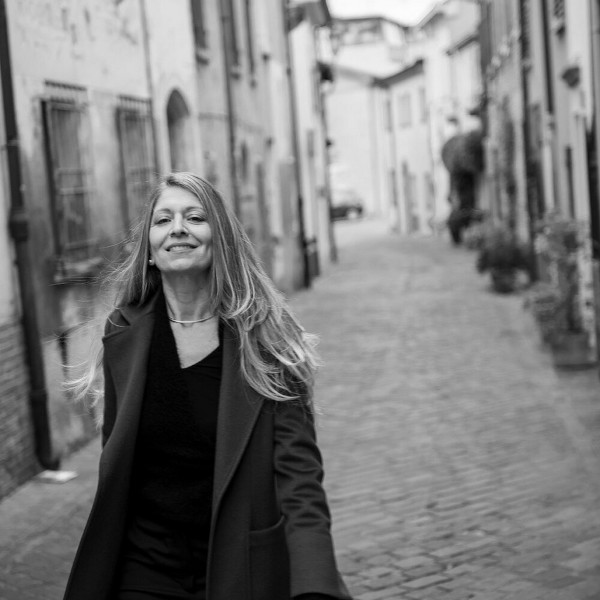
Laura Catrani, soprano
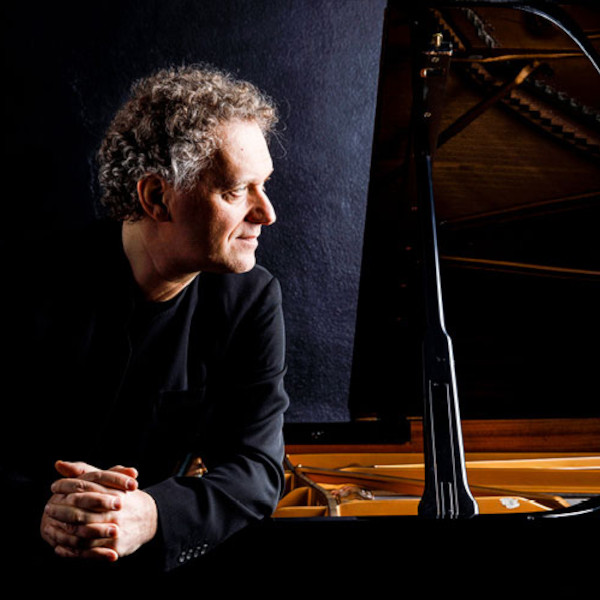
Andrea Lucchesini, piano
L. Berio (1925–2003)
Dolce cominciamento (from 4 Canzoni Popolari, followed by)
F. Schubert (1797–1828)
Lied der Mignon, Op. 62 No. 4
L. Berio
La donna ideale
F. Schubert
Lachen und Weinen, D 777
L. Berio
Avendo gran disio
F. Schubert
Die Forelle (The Trout)
L. Berio
Ballo
F. Schubert
Impromptu No. 3, Op. 90
Impromptu No. 2, Op. 90
B. Strozzi (1619–1677)
Che si può fare, for voice and basso continuo
30’ | Ticket €8
The listening journey through these works is a continuous play of reflections between classicism, Romantic urgency, and the reworking of folklore. Performing are two of Italy’s leading interpreters: Andrea Lucchesini at the piano, accompanying the voice of Laura Catrani.
With Berio’s Dolce cominciamento, we enter a suspended atmosphere where echoes of medieval poetry intertwine with a twentieth-century sensibility. A contrast soon emerges with Schubert’s Lied der Mignon, imbued with restless melancholy, in which the piano becomes the inner voice of Goethe’s character. In La donna ideale, Berio introduces irony and rhythmic vitality, in sharp contrast with the emotional instability of Lachen und Weinen, where Schubert abruptly alternates between laughter and tears through rapid key changes. More lyrical and expansive is Avendo gran disio, which prepares the arrival of Die Forelle (The Trout): here the piano lightly evokes the movement of water, before the music suddenly darkens in the central section. Berio’s cycle concludes with Ballo, bursting with rhythmic energy, while Schubert’s Impromptus open a more intimate and contemplative space: No. 3 enchants with its “infinite melody,” while No. 2 surprises with virtuosic fluidity and underlying dramatic tension.
The program closes with Barbara Strozzi’s Che si può fare, built over a descending ostinato that supports a highly expressive Baroque vocal line, rich in daring dissonances and restrained sorrow.
Text by Martina Sangermano
Trame