Mitologia e poesia: Italia, Francia e Germania
Goffredi, Del Sordo
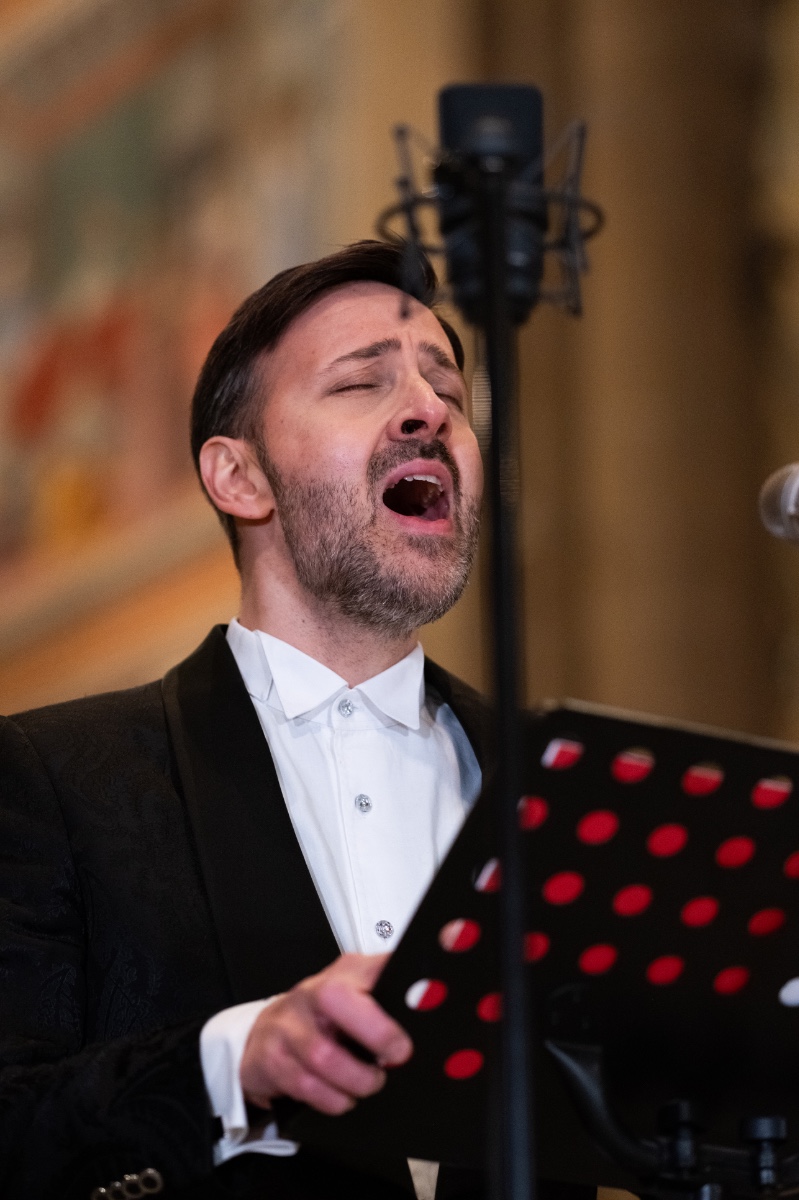
Angelo Goffredi, tenor
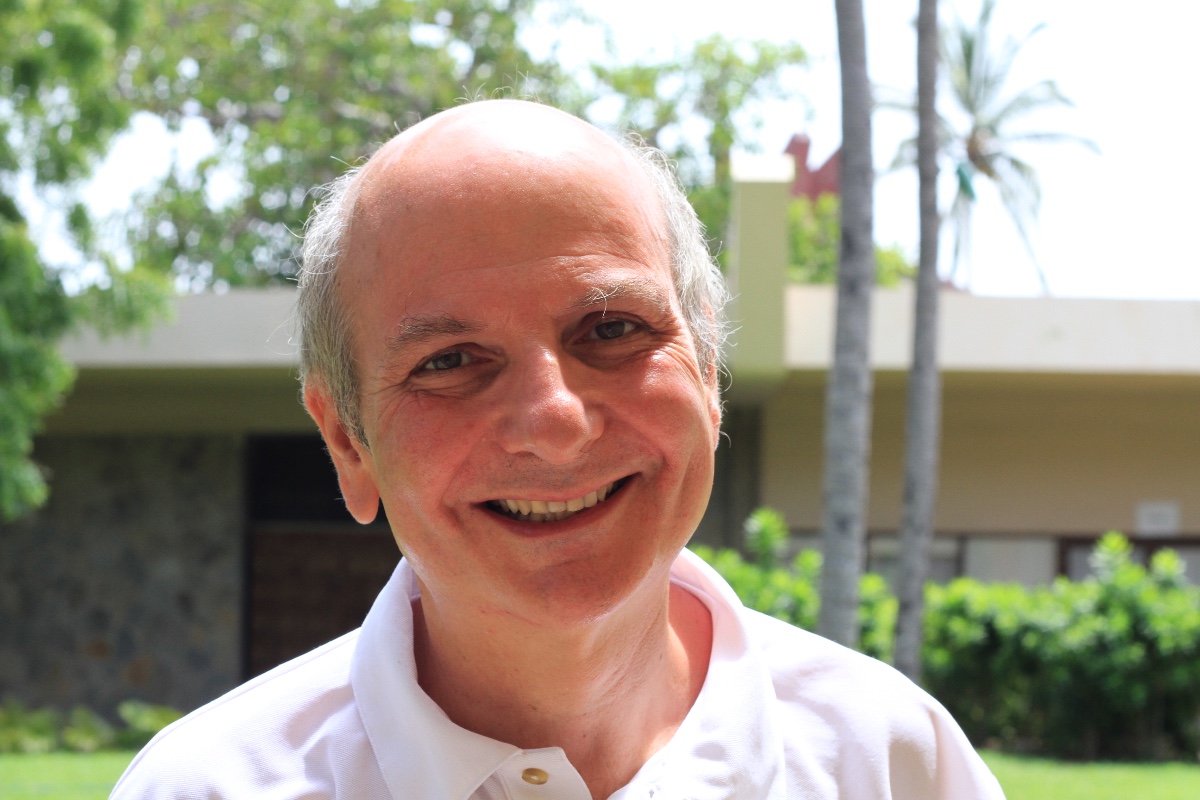
Federico Del Sordo, harpsichord and organ
Claudio Monteverdi (1567-1643)
Selection from L’Orfeo SV 318
Georg Philipp Telemann (1681-1767)
Fantasia no. 1 (Allegro — Adagio — Allegro), harpsichord solo
Neues, voice and harpsichord
Fantasia no. 2 (Presto — Adagio — Allegro), harpsichord solo
Georg Philipp Telemann
Fantasia no. 5 (Vivace — Largo — Vivace), harpsichord solo
Getrost im Leiden, voice and harpsichord
Fantasia no. 6 (Tempo di minuetto — Largo — Allegro), harpsichord solo
Georg Philipp Telemann
Fantasia no. 7 (Presto — Largo — Presto), harpsichord solo
Mutter~Söhne, voice and harpsichord
Fantasia no. 8 (Vivace — Cantabile — Presto), harpsichord solo
Attilio Ariosti (1666-1729)
Oh miseria d’amante, voice and harpsichord
In collaboration with AmareMantova ETS
30’ | Admission with museum ticket
Music theorists of the seventeenth and eighteenth centuries endeavored to contain the “orthography” of Baroque musical languages—generally considered to have begun at the dawn of the seventeenth century—within the boundaries of a well-defined style.
The program of this concert offers the audience a palette of musical languages that differ in cultural origin (France, Germany, Italy) and in intended purpose (sacred and secular).
At the foundation of the free genius of the Monteverdian style lies the process of emancipation from contrapuntal writing brought about by the shift toward recitar cantando: a revival of the splendor of ancient Greek tragedy, through a form of narrative “mesmerism” already present in the myth of Orpheus, which had been reborn in the seventeenth century in the works of Jacopo Peri, Agostino Agazzari, and Giulio Caccini, and later continued with Stefano Landi, as well as in the operas of Luigi Rossi and Antonio Sartorio. The myth would also resonate throughout the eighteenth century, particularly in the works of Christoph Willibald Gluck.
With the pieces by Telemann, the program presents a striking pairing between solo keyboard music—the Fantasie per clavicembalo—and a small but significant part of his output: selected songs included in a didactic method intended for singers and basso continuo students (c. 1732–1733). Finally, a complete cantata by Attilio Ariosti is performed, depicting the amorous “caprices” of Nice, rendered in a style that alternates between languid expression and spirited musical vitality.
The vocal part is entrusted to tenor Angelo Goffredi, from Mantua, with a solid career as an interpreter of Baroque repertoire, but also active in Classical, Romantic, and even pop music. At the keyboard (organ and harpsichord), Federico Del Sordo, one of the most active musicians in the rediscovery of lesser-known works, which he publishes in critical editions and records in his numerous CDs.
Trame