Cristina Barbuti
Piano | Trainer
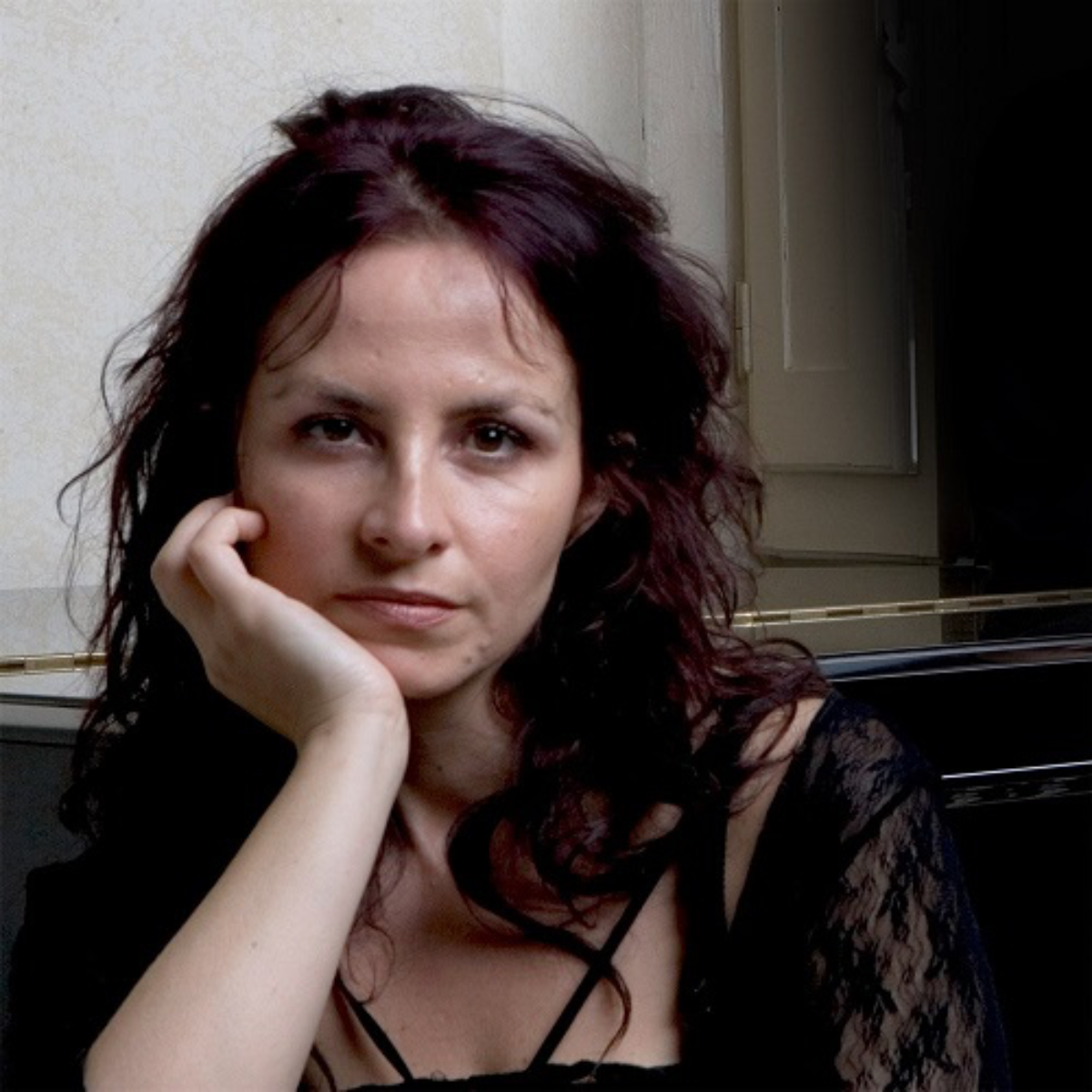
Cristina Barbuti Lonquich, born in Viareggio, has intertwined musical practice and dance since childhood, shaping a path in which body and sound became tools for exploration and transformation. After graduating with highest honours in Piano from the Conservatory “Luca Marenzio” in Brescia, she continued her studies at the Rubin Academy of Music and Dance in Jerusalem and at the Sándor Végh Chamber Music Academy in Prague, developing a musical sensitivity that led her to perform as both soloist and chamber musician in major European concert seasons and in the United States.
Her artistic collaborations with internationally renowned performers enriched her vision through a multiplicity of perspectives and shared experiences. Alongside her concert career, she turned her attention to theatre, language, and writing, expanding her understanding of stage presence and expressive research. Between 1987 and 1992, she held seminars at the UCLA Summer Session, exploring the connections between Italian literature and music. Beginning in 2000, she deepened her engagement with theatrical language by founding the Villon Ensemble, a project in which music and theatre interacted in dialogue with art therapy. Studies with figures such as Robert Landy and Armando Punzo marked a turning point in her journey, leading her to investigate the transformative potential of art within helping relationships.
In 2006, she began training in Gestalt Counseling with artistic mediation at the Istituto Gestalt Firenze – Rome branch, studying with Oliviero Rossi and Michele Cavallo. This research translated into practical experiences, including theatre and music workshops at the Villa Lais Mental Health Day Centre in Rome, where artistic process became a means of re-signifying identity. Between 2014 and 2018, she led art and drama therapy workshops for musicians hosted by numerous institutions and festivals, including Trame Sonore, exploring the inner and artistic dynamics that shape a performer’s path. During this period, together with Alexander Lonquich and Sandro Lombardi, she brought to the stage the theatrical concert L’infanzia di Saturno. As a lecturer in the Master’s programme in Theatre in Social Contexts and Drama Therapy at Sapienza University of Rome, she also conceived, together with Ezio Bosso, the intensive workshop Sinestetica, dedicated to the intersections between sensory perception and sound.
Together with Alexander Lonquich, her artistic and life partner, she founded the Kantoratelier, a research space in which musical transmission merged with broader reflections on the creative act. In 2018, through the project Dædalus – l’artista da giovane, she created an advanced concert-training programme for young musicians at the beginning of their careers, where technique and interpretation opened onto a deeper inquiry into presence and the meaning of art. In 2021, she collaborated with the Accademia Nazionale di Santa Cecilia and the MAXXI on L’estetica dell’assenza, a project inspired by Glenn Gould that explored the paradox of the performer who withdraws from the stage in the search for absolute expressive truth. Through a dialogue between music, theatre, and philosophy, participants investigated the evocative power of sound beyond the performer’s physical presence, experimenting with new forms of listening and presence.
Three passions run through her path and intersect in her work: art, Gestalt Therapy, and Lacanian thought. From this convergence emerged Dynamic Gestalt with Artistic Mediation, an approach integrating Gestalt Counseling, Drama Therapy, and Art Counseling, in a perspective where artistic language becomes a meeting place between the unconscious, the body, and desire. She currently leads workshops and individual sessions at her Kantor Studio in Rome and serves as an AICo trainer-supervisor.
She is also the creator and founder of OMANUT – a three-year school of Art Counseling with a Lacanian-Gestalt orientation and the only “Art Therapy” school promoting a new and innovative vision of the art therapist’s role. OMANUT is founded on the belief that artistic languages, in order to be truly effective in helping relationships, must be deeply understood and profoundly practiced. Its faculty members combine strong expertise in relational care with distinguished national and international artistic careers.